Transforming Perth Spaces with Architectural Concrete
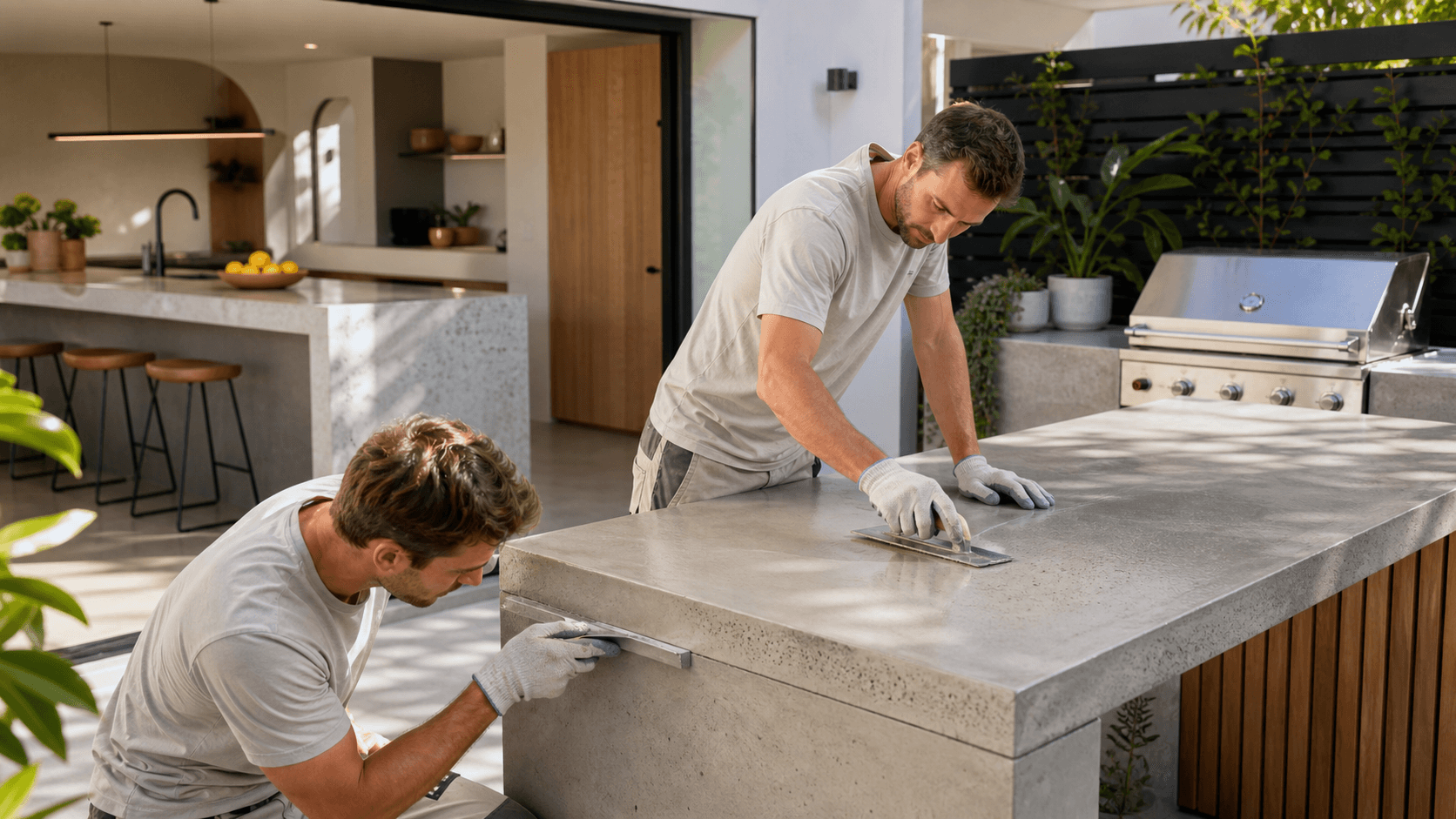
Architectural concrete is changing how Perth homes and commercial spaces look and feel. Instead of plain grey slabs, people are choosing finishes that lift street appeal, make outdoor areas more comfortable, and add long-term value. When concrete is designed to be seen, it becomes part of the overall style, not just something under your feet.
Put simply, architectural concrete is concrete that is meant to be on show. It still does the heavy work, but it also brings colour, texture and pattern into the space. In Perth, it suits the way we live, with long sunny days, lots of time outside, and a mix of coastal, urban and suburban settings. From alfresco areas and pool surrounds to commercial foyers and feature walls, it fits right in.
At Condor Concrete Solutions, we work across Perth on projects that need both good looks and good performance. Our focus is on finishes that stand up to regular use while still keeping to the design and the budget. As we move toward the warmer half of the year, it is a smart time to plan concrete work so spaces are ready when outdoor living really ramps up.
What Sets Architectural Concrete Apart From Standard Slabs
Standard concrete slabs are usually about structure first. They support loads, meet basic building needs and are often covered by tiles, paving or floor coverings. Architectural concrete does all that, but it is also treated as a finished surface.
Key differences include:
- Custom colours through oxides or pigments
- Visible aggregates like stone or pebbles
- Textured finishes such as exposed, broomed or trowelled
- Patterns created by saw cuts or formwork lines
Good architectural concrete blends design and performance. For Perth conditions, that can mean:
- Slip resistance for wet areas like pool surrounds and entries
- Surfaces that are easy to clean, even with sand, leaves and red dust
- UV-stable colours that hold up under strong sun
- Strength to deal with vehicle traffic and the odd heavy storm
You can use architectural concrete almost anywhere you see a flat surface or a simple form. In homes, common spots include driveways, paths, patios, pool areas, courtyards, stairs and garden walls. In commercial spaces, it often appears in building entries, outdoor dining areas, forecourts, pedestrian walkways, parking areas and service yards.
Best of all, it works with many building styles. A light exposed mix can suit a coastal house, while a dark honed finish can match a contemporary build. A lightly textured surface can sit well beside older brick or heritage-inspired details. With the right colour and finish, concrete links the building to the outdoor areas so everything feels like one design.
Design-Driven Uses of Architectural Concrete in Perth
Around Perth homes, architectural concrete is a smart way to shape outdoor living. Many people want alfresco floors that flow from inside to outside, with very little step or lip. When the same or similar concrete finish is used under the patio and out into the yard, the whole space feels bigger and more open.
Concrete can also become part of the furniture. You can have:
- Low garden walls that double as seating
- Raised planters that frame an outdoor area
- Solid surrounds for fire pits or feature trees
- Edging that lines up with paving or lawn
In commercial projects, design goes hand in hand with wayfinding and safety. Concrete can help with:
- Branded entries using simple colour bands or patterns
- Patterned pedestrian zones that guide foot traffic
- Exposed aggregate car parks with clear vehicle paths
- Tough loading or service areas that still look tidy from the street
Colour, aggregate choice and joint layout all play a big part. By matching or echoing materials like brick, stone, timber or metal cladding, concrete helps tie the whole site together. Straight joint lines can reflect window layouts, while curved joints can soften a hard space.
Planning in late autumn and winter can be a smart move in Perth. It often lines up with quieter outdoor use, so works cause less disruption. Cooler, more stable weather can also help concrete cure more evenly, leaving it ready to handle heavier use as the days get longer and social calendars fill up.
Popular Architectural Concrete Finishes for Perth Projects
There are many ways to finish architectural concrete, each with its own look and best use.
Some of the main options are:
- Exposed aggregate
- Honed and polished concrete
- Coloured and oxidised concrete
- Broomed or trowel finishes
- Decorative saw cuts and patterns
Exposed aggregate is popular for driveways, paths and pool surrounds. The textured surface offers grip underfoot and can hide minor marks from everyday use. Different stones and sands can give anything from a soft, sandy look to a more striking mix.
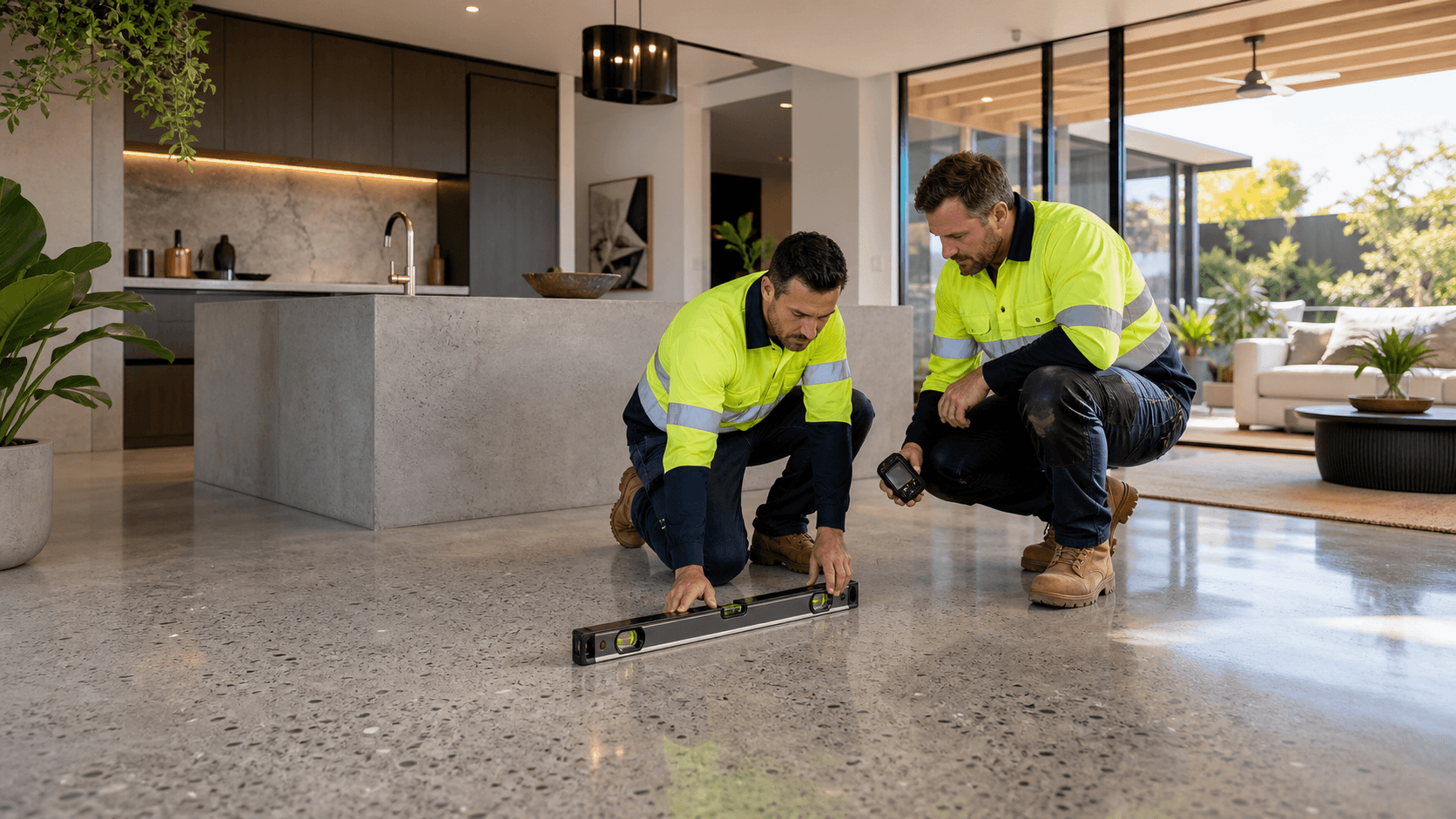
Honed and polished concrete often suits sheltered alfresco areas, internal floors and commercial foyers. These finishes give a smoother feel and can create a strong indoor-outdoor flow. Care is needed around wet and external areas so the surface still has enough traction.
Coloured or oxidised concrete works well for modern frontages, courtyards and entries. It keeps the clean lines of concrete but adds tone that can match the building or the landscaping. Broomed and trowelled finishes are common for driveways, paths and utility spaces where a simple, practical surface is the priority.
When planning finishes, it pays to think about:
- Slip resistance, especially where surfaces may be wet
- Glare from light surfaces in strong Perth sun
- How easy it is to hose or sweep around pools and gardens
- How different sealers will look and how they are maintained over time
Choosing aggregates, colours and textures is easier with guidance from a concreter who works with these finishes regularly. That way you get a surface that looks right on day one and continues to perform under steady use.
Planning a Successful Architectural Concrete Project
Good design starts with how the space will be used. Before any pour, it helps to list:
- Who will use each area and how often
- Vehicle loads for driveways and parking
- Drainage needs so water flows away from buildings
- Levels and access for people, bins and deliveries
- How concrete will meet existing structures and future landscaping
What sits under the concrete is as important as what you see on top. Proper base preparation, compaction, reinforcement, drainage and the right concrete mix are all key, especially for driveways or commercial slabs that carry heavier loads. Without a solid base and correct joints, even the best finish can suffer.
Timing matters too. In Perth, pours often work best when they avoid very hot days or heavy rain. Many projects are planned in the cooler months so they are ready as outdoor events and busy trading periods pick up. With clear planning, you can line up other trades like landscapers and builders so everything lines up smoothly.
Clear communication with your concreter helps keep expectations in check. Drawings, rough sketches, photos of finishes you like and site inspections all contribute to a shared plan. It is also helpful to look at previous work or sample panels to see colours and textures in real light.
Bringing Your Architectural Concrete Vision to Life
Before the next round of barbecues, family get-togethers or busy trading days, it is worth taking a slow walk around your home or commercial site. Notice where concrete could improve safety, tidy up tired areas or link spaces together more clearly. Even small changes, like a better path layout or a more defined entry, can make daily use smoother.
Gathering inspiration images, rough measurements and notes about drainage, access and shade will give any concreter a strong starting point. With thoughtful planning and the right finish choices, architectural concrete can give you hard-working surfaces that look sharp and suit Perth's way of living for many years.
Get Started With Your Project Today
If you are ready to elevate your space with high quality finishes, explore our full range of architectural concrete in Perth. At Condor Concrete Solutions, we work closely with you to understand your design goals and practical requirements. Tell us about your project and we will recommend the right approach, timeline and finish options. To discuss your ideas or arrange a quote, simply contact us.